
INTAKE
Film arrives.
 Tech Week Preview
Tech Week 2026 · NYC
Tech Week Preview
Tech Week 2026 · NYC
Content Credentials + Metadata, now on every scan.
Anyone can generate an image. Yours came from real film. Now, every scan from Gelatin Labs proves it: the whole story, sealed right inside the file.


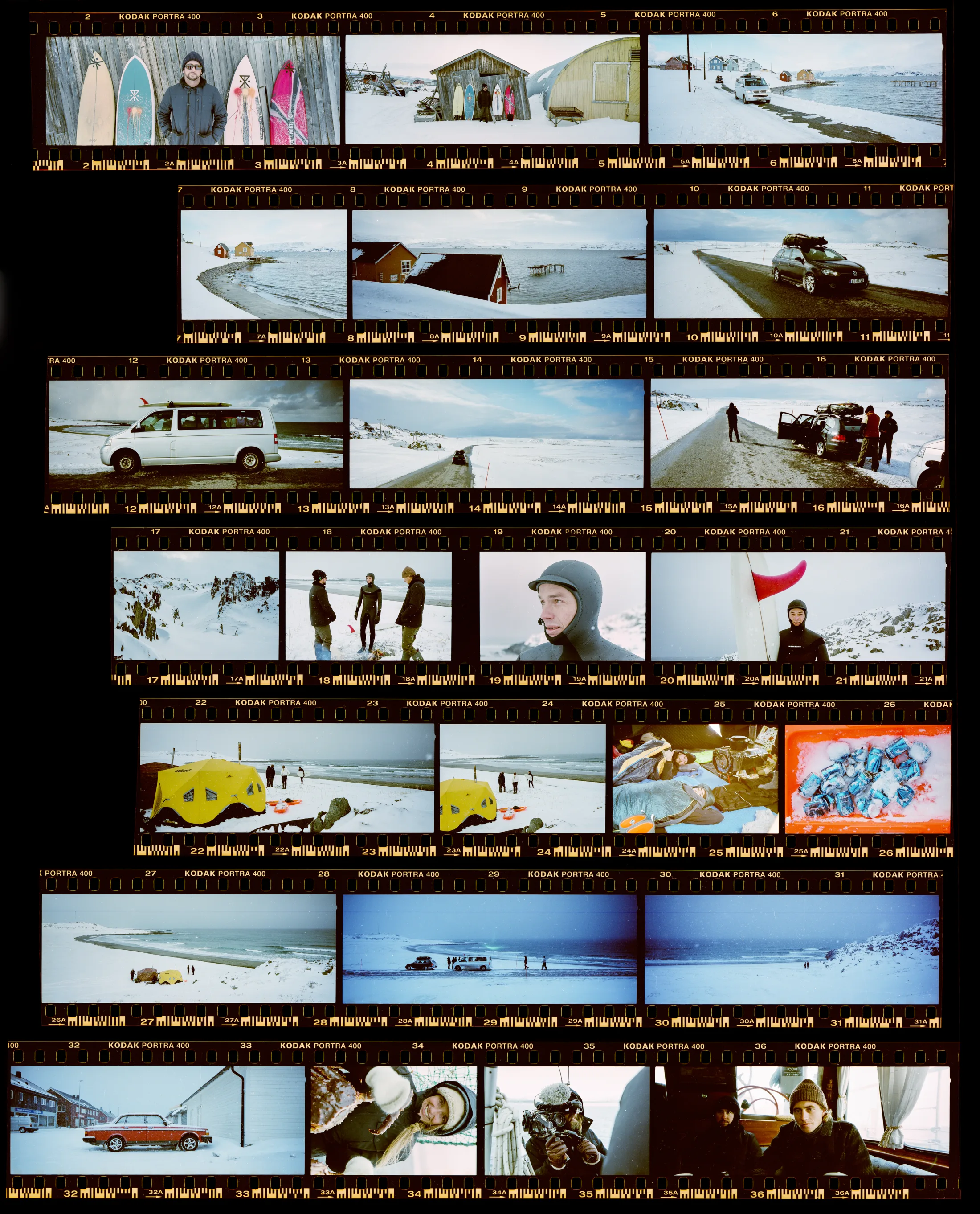
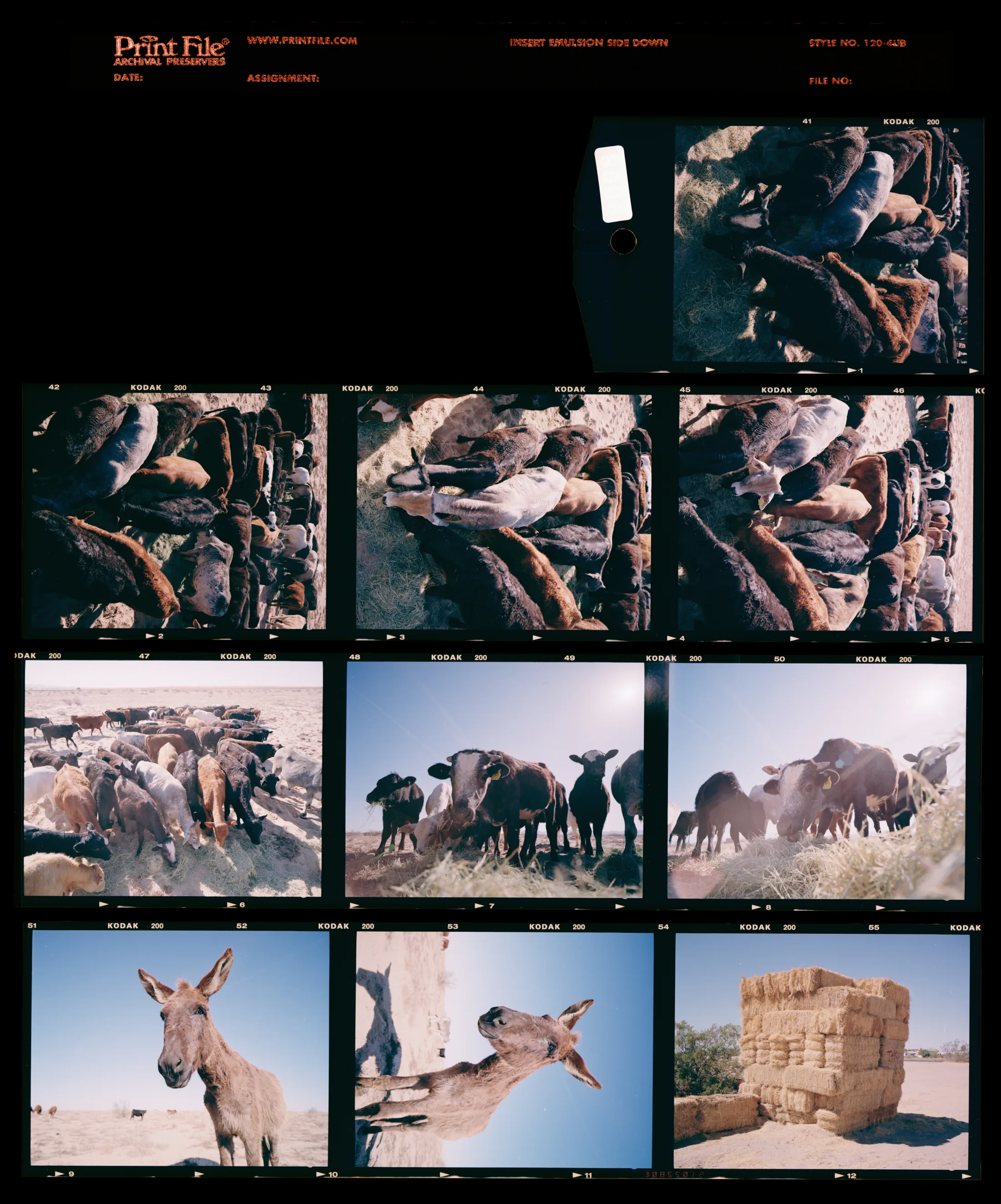
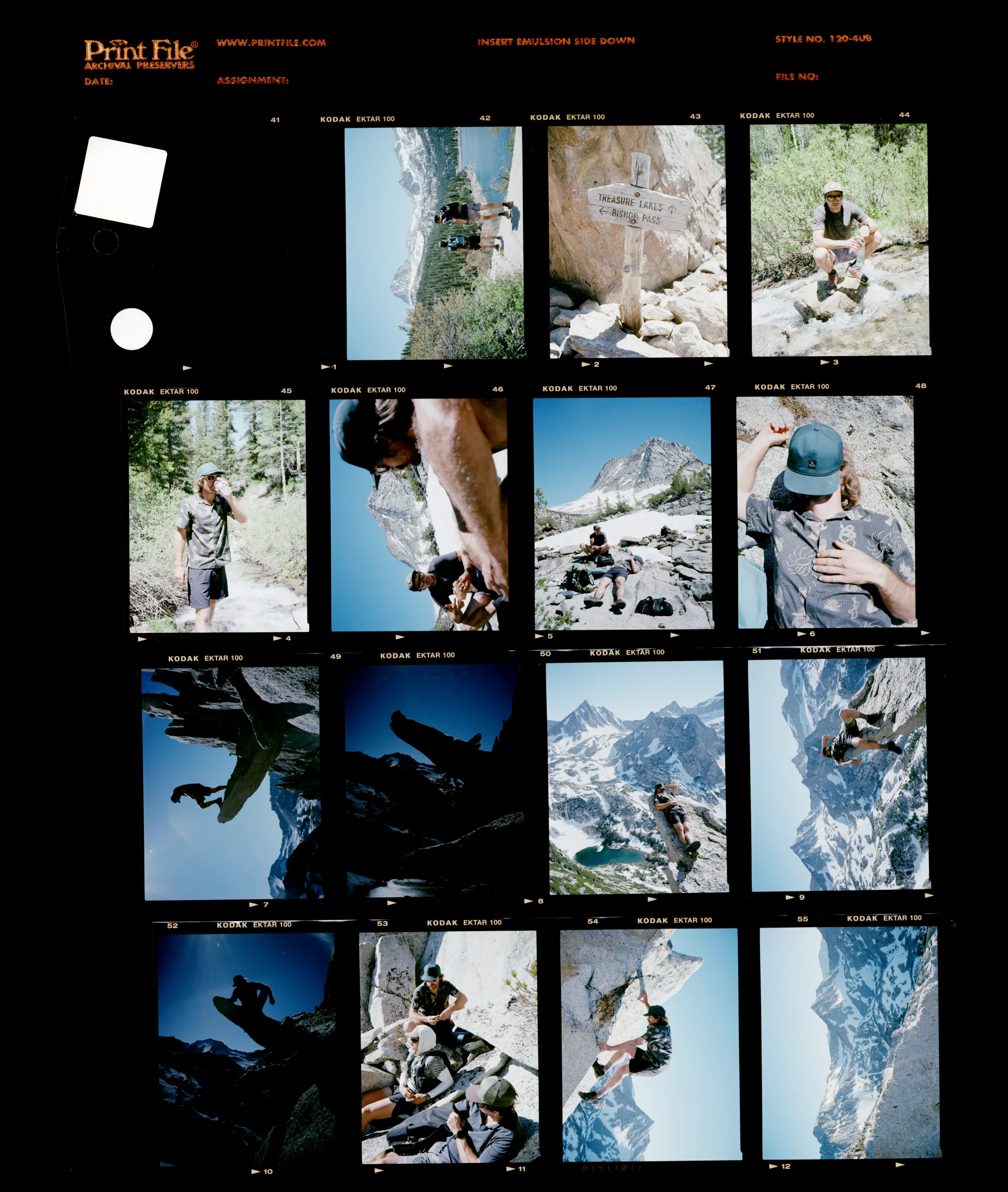
Online, it's fast becoming the question of the decade. As AI learns to generate a convincing image of anything, proof of what's real stops being a nicety and becomes the thing that matters most.
Film already carries the answer. A frame is a physical thing: light and silver fixed onto a negative you can hold. For over a century, that negative has been the tangible proof a picture is real.
We're the first film lab to carry that proof online. Every scan we deliver is sealed with rich metadata and a cryptographic Content Credential, so the authenticity born in the negative travels with the file, for good. Old-school chemistry, meet cutting-edge provenance.
A finished scan from Gelatin is four things, stacked into a single file: your hard work, our expertise, a badge of authenticity, and the details to keep you organized.
Light, silver, time. The original.
16-bit care. The look you want, every frame.
The open standard, signed by us and baked into the file.
Roll number, stock, scanner, saved inside.
Our signature, pressed into every scan we deliver. So anyone, anywhere, can check where the picture came from.
The signature lives inside the picture file itself. It says, plainly: this came from Gelatin Labs, on this date.
Every digital scan we deliver carries the seal. It happens automatically, the moment your file comes off the scanner. No extra steps for you.
Share it, screenshot it, repost it. While the file's intact, anyone can verify the signature. And even after a screenshot strips it, our watermark and fingerprint let us confirm it came from us.
When your file comes off our scanner, our system signs it with a private key only we have. That signature gets bundled inside the picture file using an open standard called C2PA.
C2PA isn't ours. It's an open standard built and read by Adobe, BBC, Sony, and a growing list of companies. We build on those shared, open tools.
Drop any of our scans into a free verifier (Pixelstream, the Content Credentials browser extension, or our own) and the file lays out what it knows: lab, date, the chain from negative to your hard drive. Full support in Adobe's verifier is coming soon.
Some apps still strip metadata on export. If that happens, the picture still carries a perceptual fingerprint and an invisible watermark we can match, both of which point back to us.
Three signals we bake into every scan that tell AI training systems: hands off this picture.
A formal C2PA opt-out tag in every credential. Adobe, OpenAI, and the major training systems read it and skip the file.
The opt-out covers model training, inference, and data mining: one cryptographically signed signal across the entire AI pipeline.
An invisible watermark, baked into the pixels. It survives crops, re-encodes, even screenshots, so the opt-out we add stays attached to your picture.
Every scan moves through the same flow. From the moment film arrives at the lab to the moment a sealed file lands in an account.
Film arrives.
Reviewed by hand.
Seal embedded.
Lands in your account.
Anyone can read it.
A signed Content Credential, embedded as we scan. Carries the lab, the timestamp, and the file's story so far. Any C2PA-aware tool reads it without setup.
The seal is the visible, machine-readable layer. Open the file in Adobe Bridge, Photoshop, or the free Content Credentials browser extension and you'll see who signed it and when. The signature is verifiable against the public trust list.
If someone strips the metadata, the seal goes with it, which is why the next two layers exist.
A perceptual ID we keep in our registry. Bring us an image months or years later (even after crops, edits, or re-encodes) and we can match it back to the original.
ISCC (International Standard Content Code) is a perceptual identifier. It sees the image, not just the bytes. Crop it, color-grade it, re-save as JPEG: the ID still matches the original scan.
Unlike the seal, fingerprint matching is something we do through Gelatin Labs. We hold the registry. Send us an image, we'll tell you if it came from one of our scans.
An invisible mark woven into the pixels themselves. Survives screenshots, screen recordings, and the squeeze of platform compression.
TrustMark embeds an imperceptible signal directly in the pixel data. Unlike metadata, it survives the cases where metadata gets stripped: Instagram uploads, screen recordings, screenshot apps.
Together with the fingerprint, the watermark is what stays with the image even after a screenshot. Two ways to recognize your work, even when the seal is gone.
Metadata is the hidden info tucked inside every picture file: roll number, film stock, scanner, date. You can't see it on the photo, but Lightroom, Bridge, Capture One, even Finder can read it, sort by it, and search it.
Type a roll number, a stock, a scanner, or a date into Lightroom or Bridge, and the matching scans pop up. Folders become optional.
Smart collections that group by GelForm, stock, or roll. Set them up once, and they update every time you import.
The info lives inside the picture itself, so it follows along when you copy, move, share, or back it up.
Roll number, format, stock, processing, scanner, GelForm, capture date, written in standard fields that any modern photo app can read.
Lightroom Classic, Bridge, Photoshop, Capture One, Apple Photos. Even Finder and Windows Explorer can see most of it.
Build a Lightroom preset that targets "GelForm = The Spacely" and it applies only to those scans. Same logic for stock, scanner, anything else.
Type a roll number into any of these apps and the matching scans come up, wherever they live on your hard drive.
Content Credentials are an industry standard, built by a coalition. Here's who we work with to make it real for film.
The Coalition for Content Provenance and Authenticity. The technical standard behind the seal.
The Content Authenticity Initiative. The coalition driving real-world adoption across the industry.
Built the original verifier. Bridge and Photoshop read the credential natively. Hosted us at Tech Week.
Collaborator at Tech Week. Content credentials workflow at scale. Verify at verify.pixelstream.com.
Content Credentials grew out of two efforts. In 2019, Adobe launched the Content Authenticity Initiative (CAI), with The New York Times and Twitter, to fight misinformation by giving digital media a verifiable history. In 2021, Adobe, Arm, the BBC, Intel, Microsoft, and Truepic formed the Coalition for Content Provenance and Authenticity (C2PA) to turn that idea into an open technical standard.
It's an open industry standard, governed by a coalition rather than any one company. We're the first film lab to build it into every scan, leading analog photography toward a future where the same provenance the news industry trusts travels with your negatives too.
Drop one of your scans into the Gelatin verifier and it checks three things at once: the signature, the invisible watermark in the pixels, and the fingerprint we hold in our registry.
Works in Pixelstream and the Content Credentials browser extension too. Full Adobe verifier support is coming soon.
C2PA conformance pending. We're completing certification as a conformant validator.
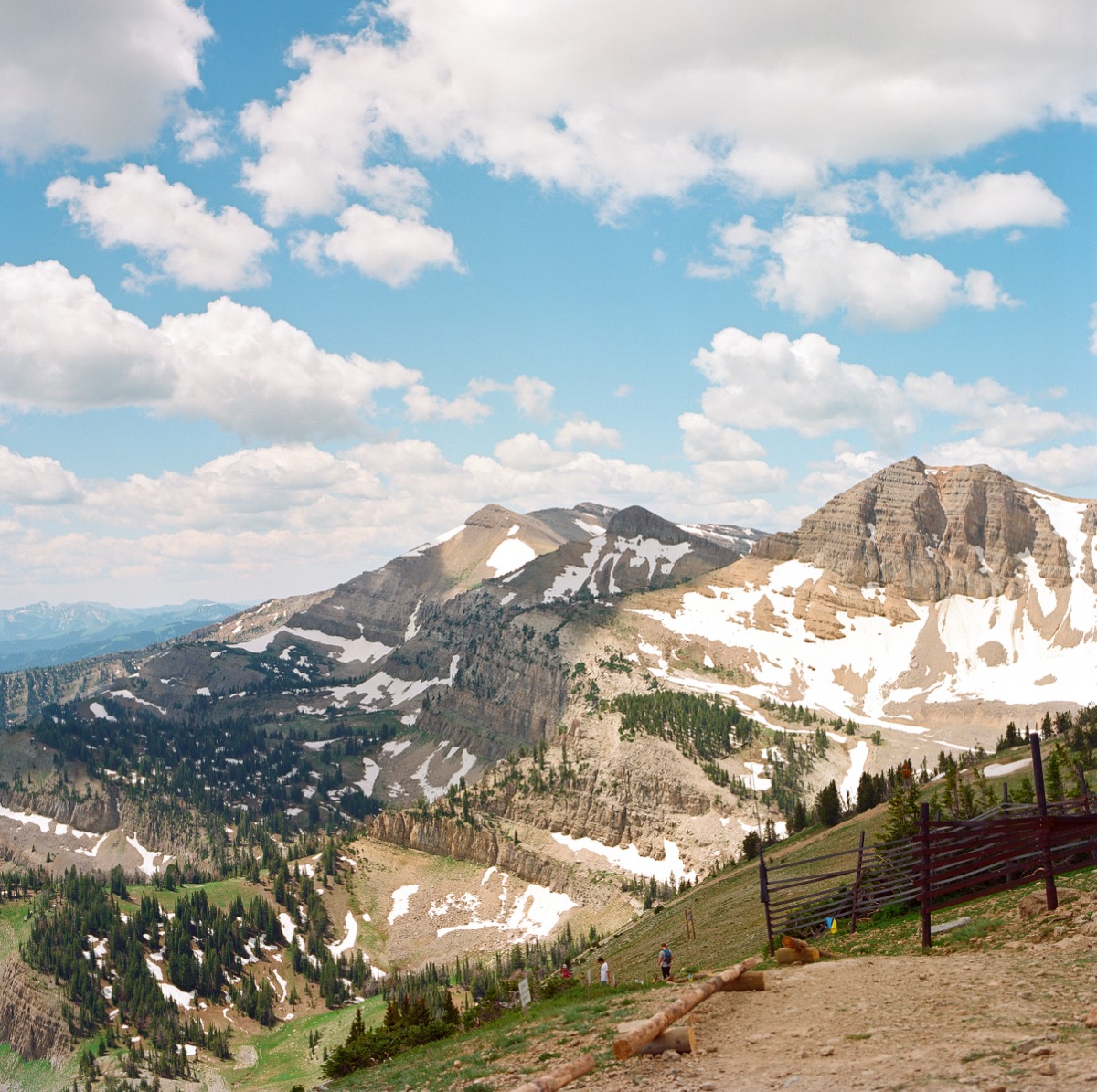
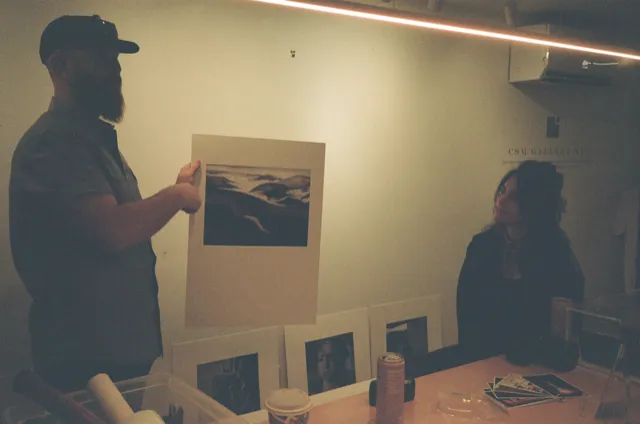
We're analog creatures. The work below is real film, made by real hands, shot by the photographers who trust us with their rolls. Authentic from the very first frame.
Explore the community →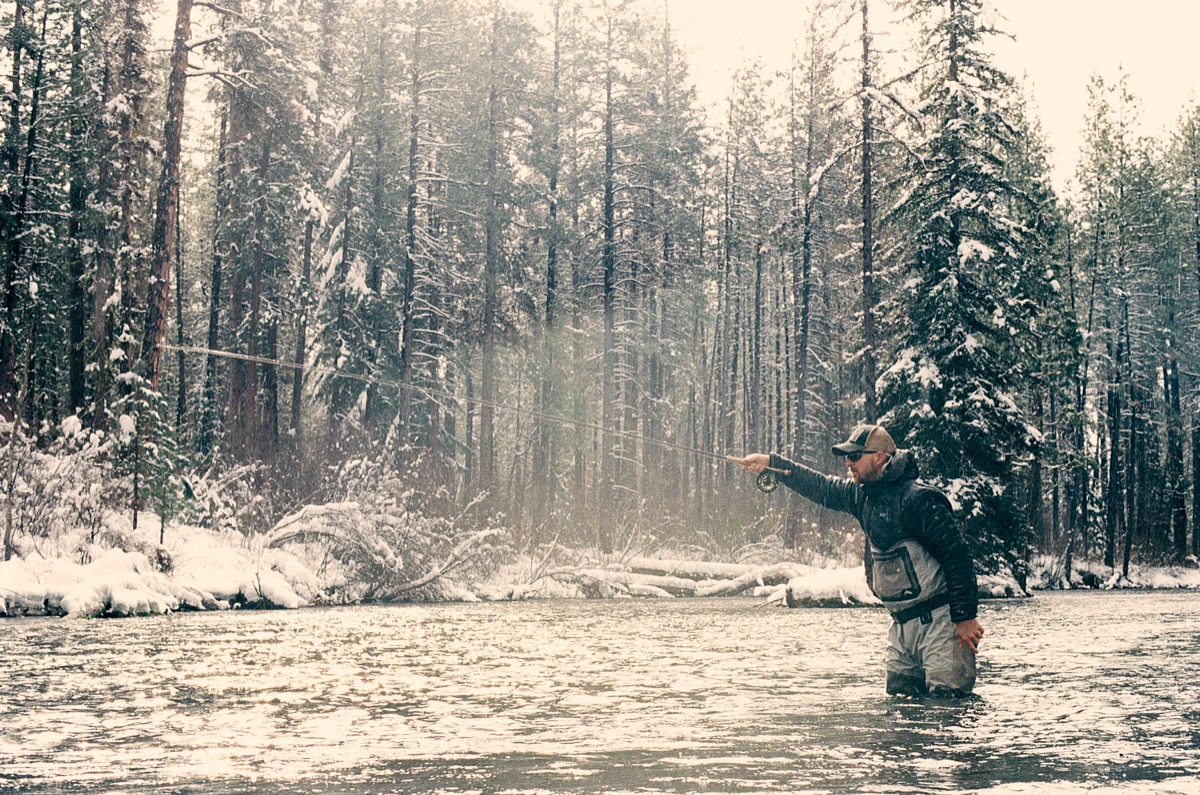
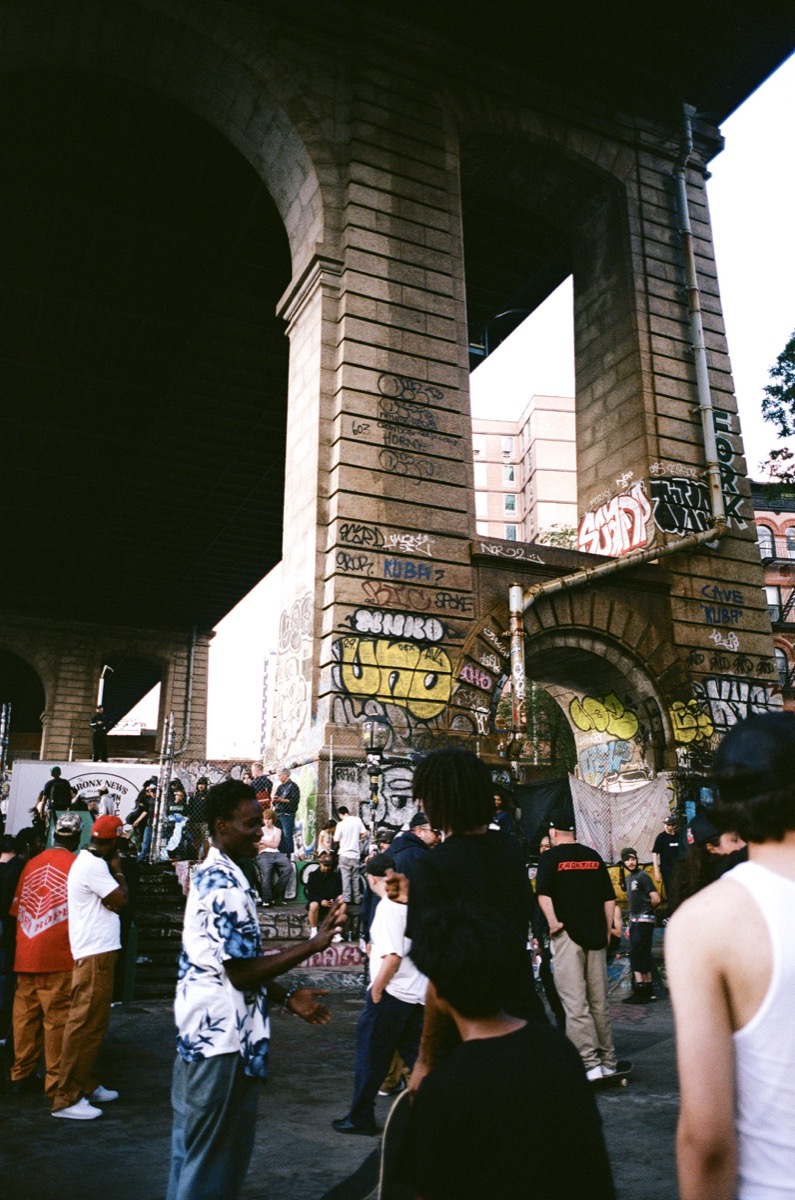
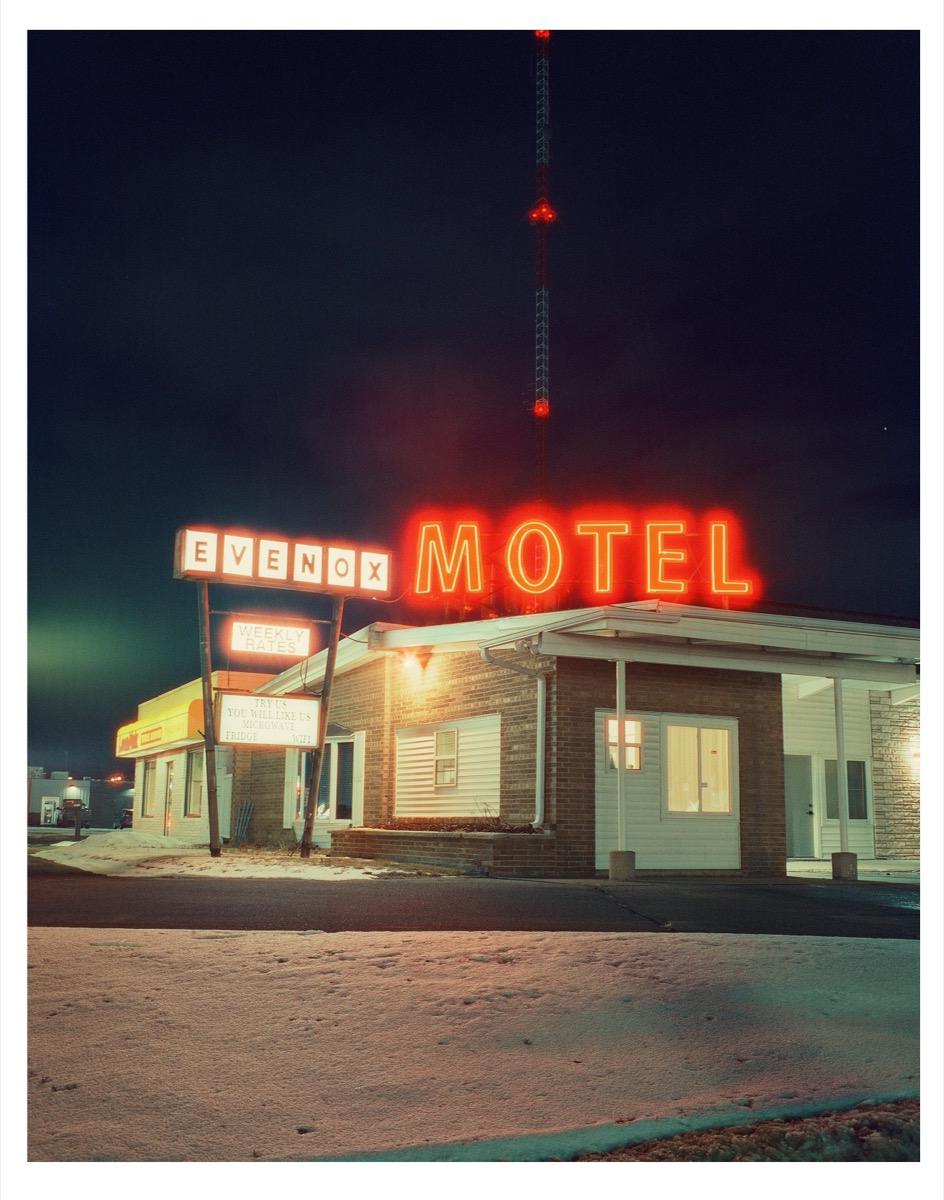
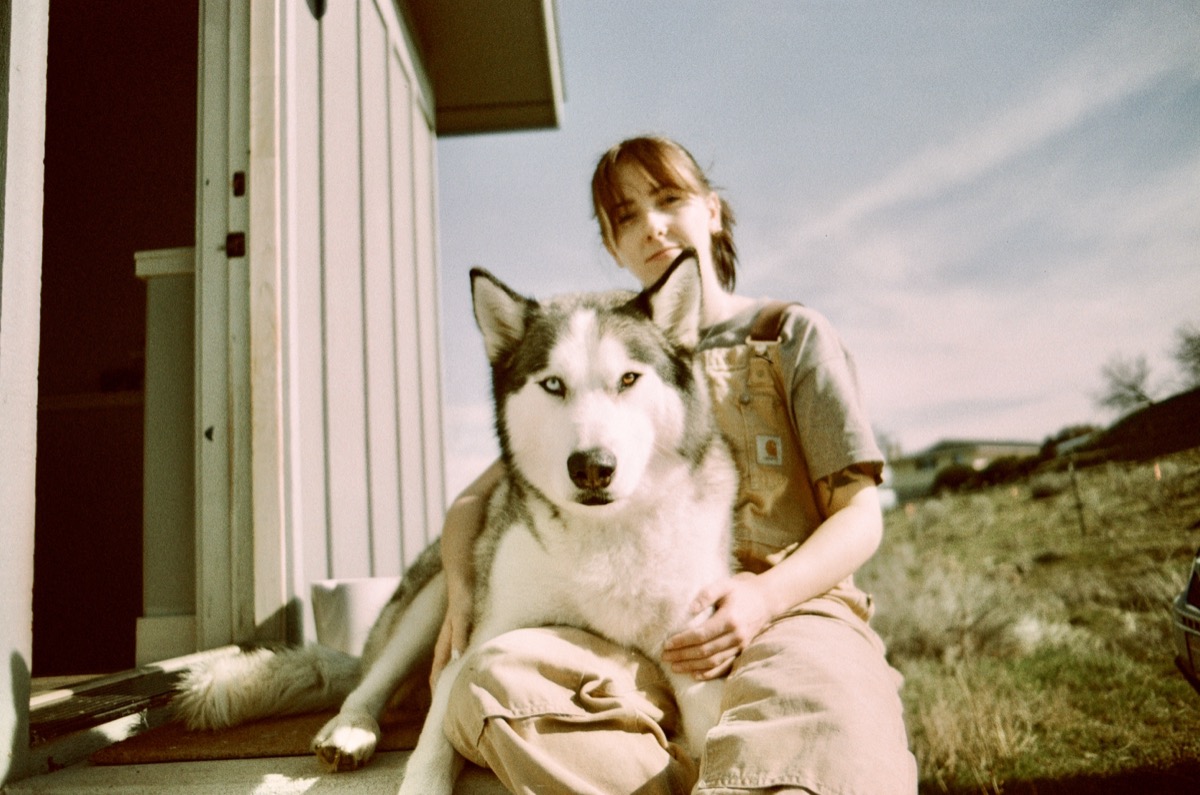
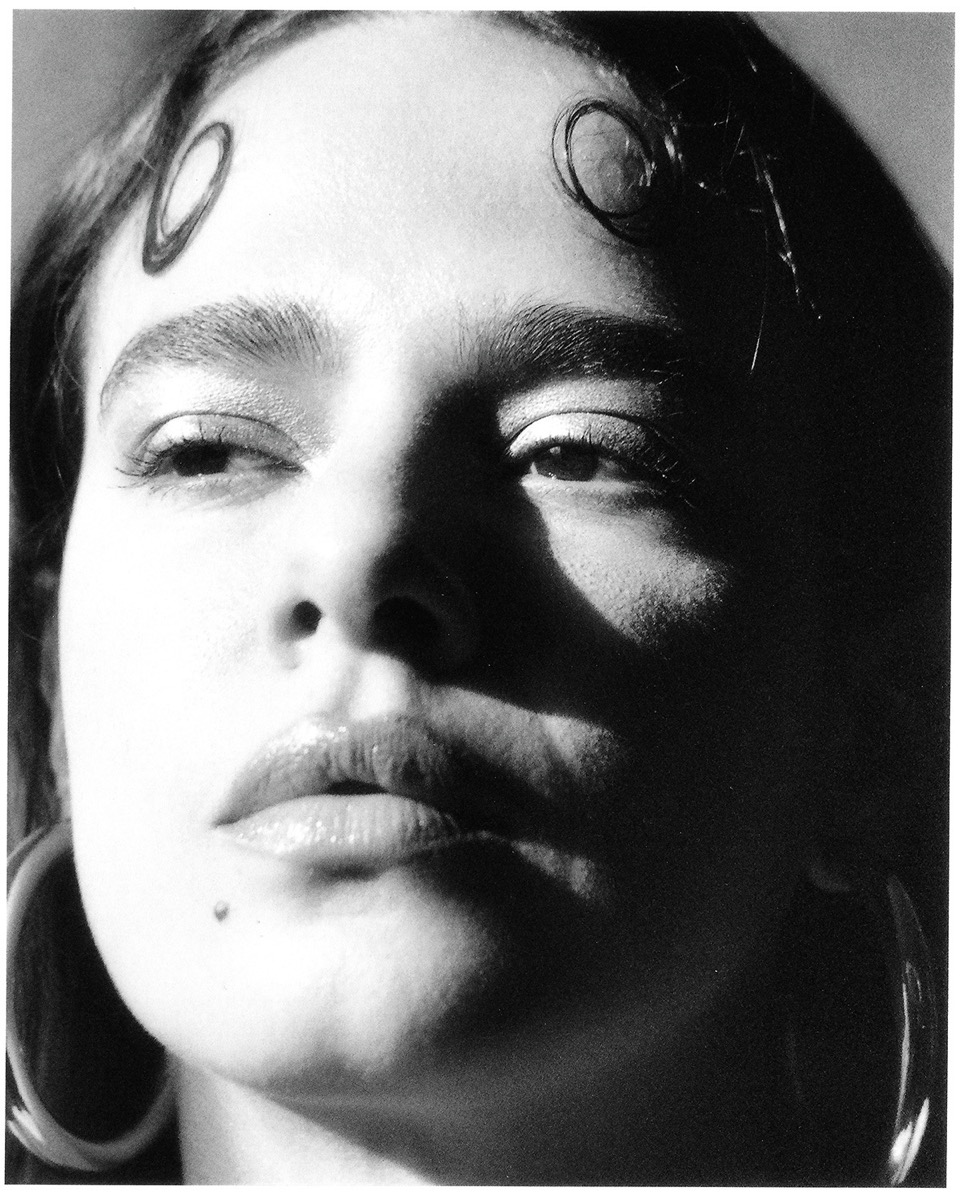
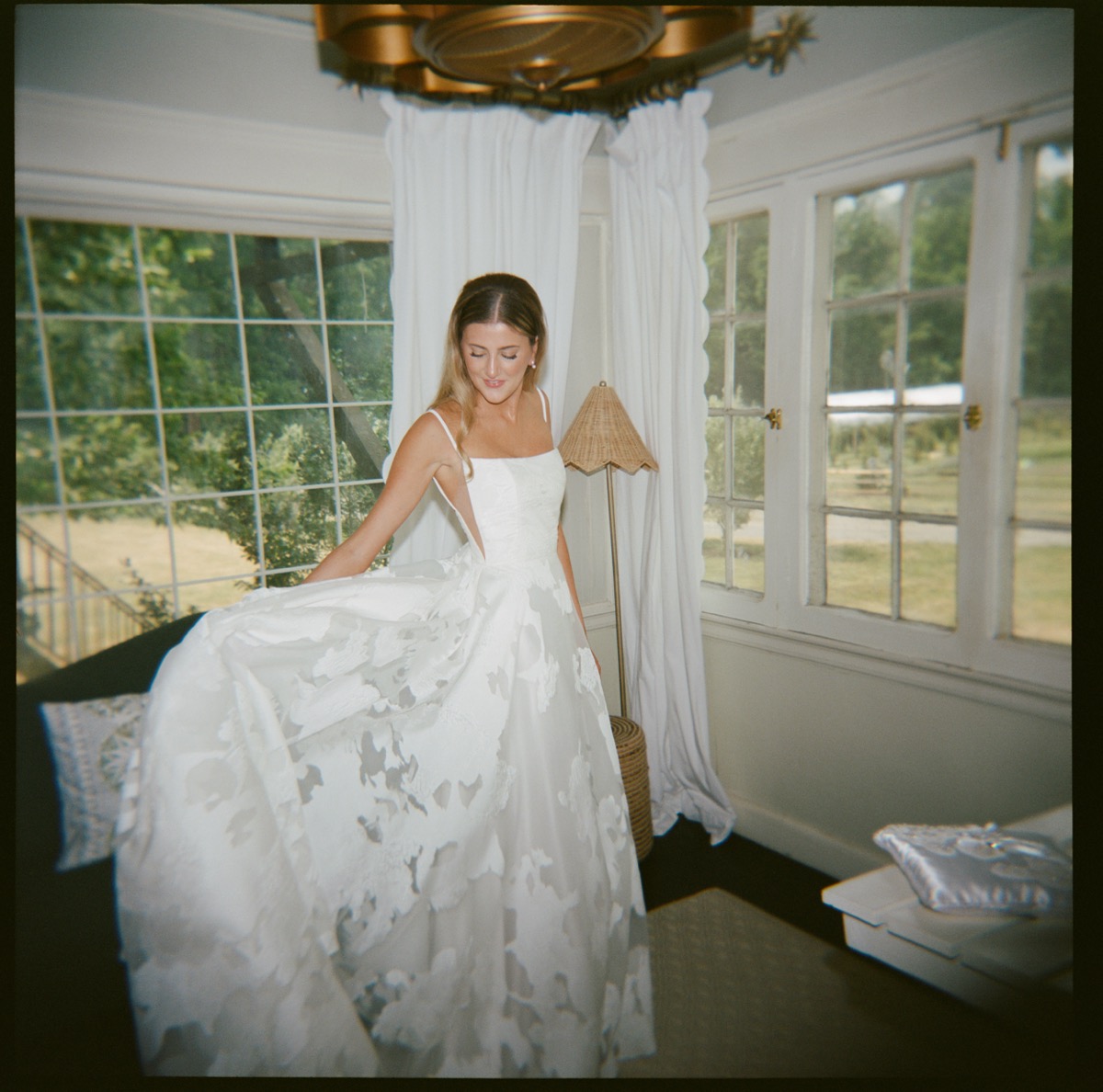

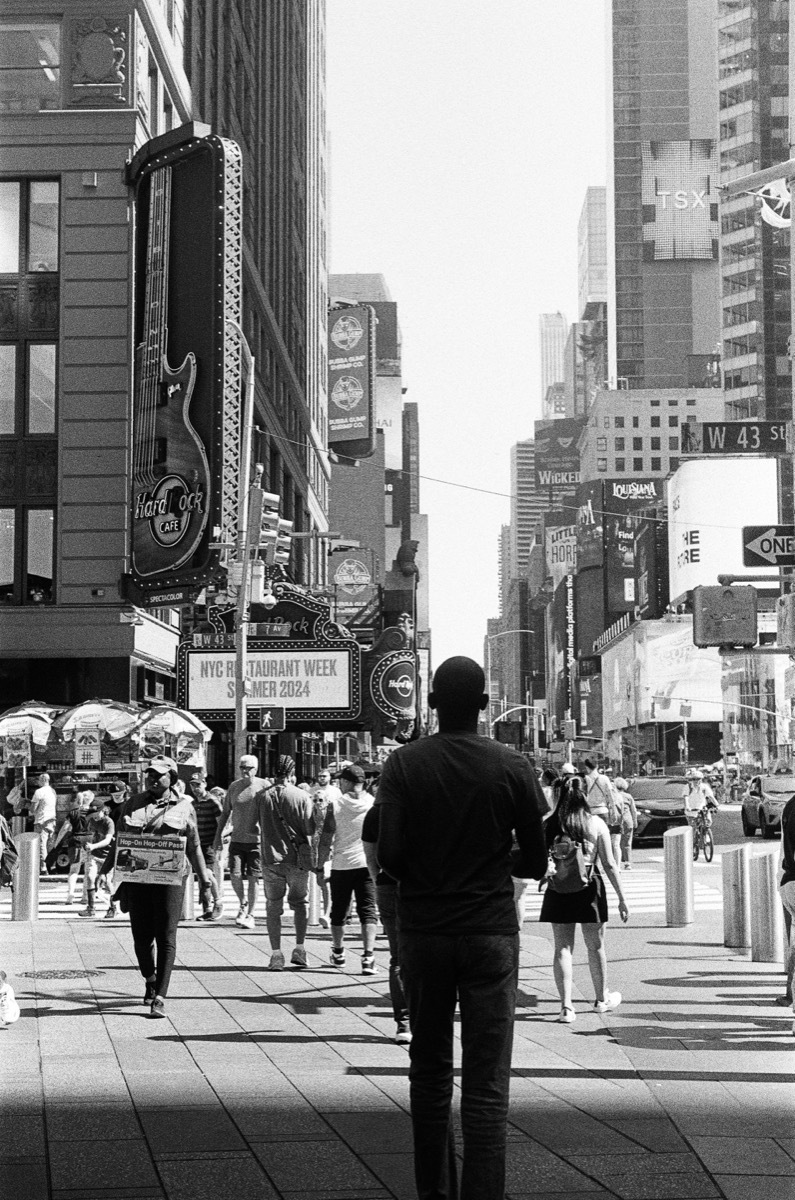
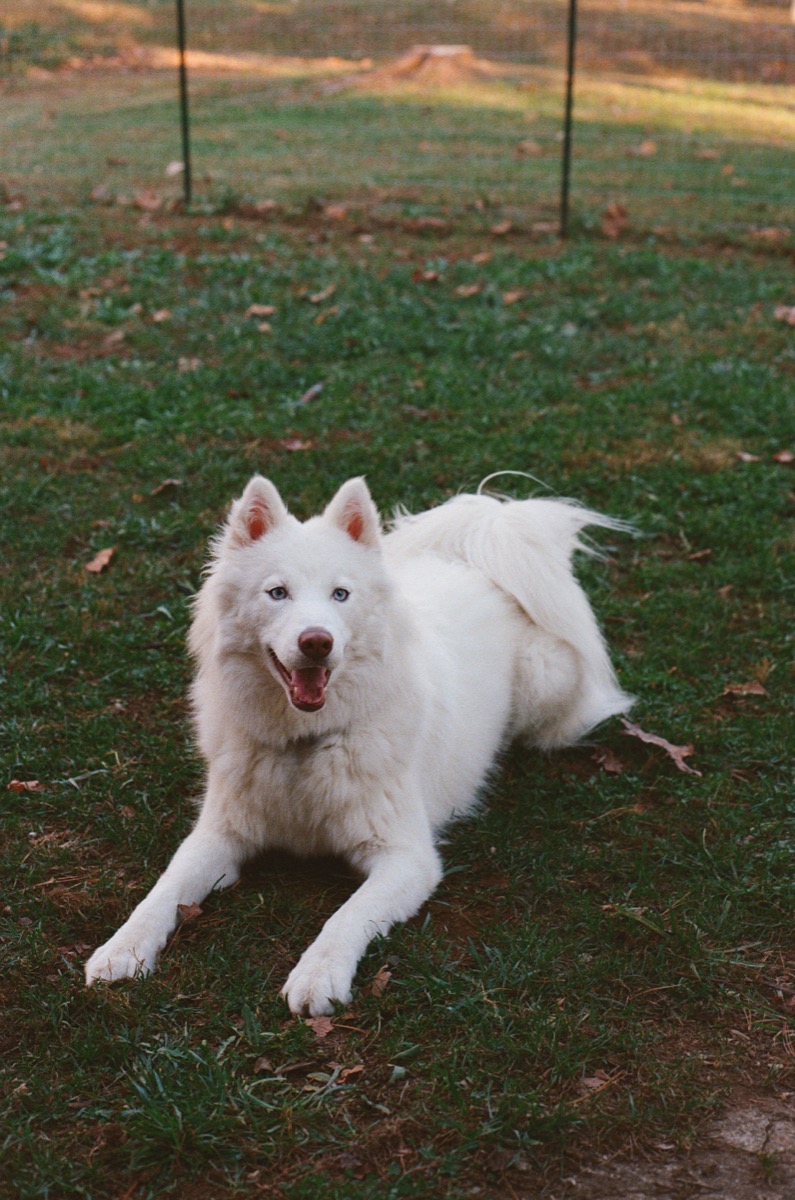
"Love that the scans are flat and enormous. I received my scans in less than 24 hours."
Melissa E.
"One of the best in the world that I've used. Un-paralleled quality in scans so far. Incredible latitude in post for me, fast and friendly too!"
Kevin T.
"I'm blown away by Gelatin Labs for their professionalism, and young fresh take on a photography lab. They make everything so easy! Their scans are to die for!"
Megan O.
"Gelatin is the best in the game! I love the flexibility their flat GelForm Style offers me, and there's simply no one else I would trust with my film."
Ryan B.
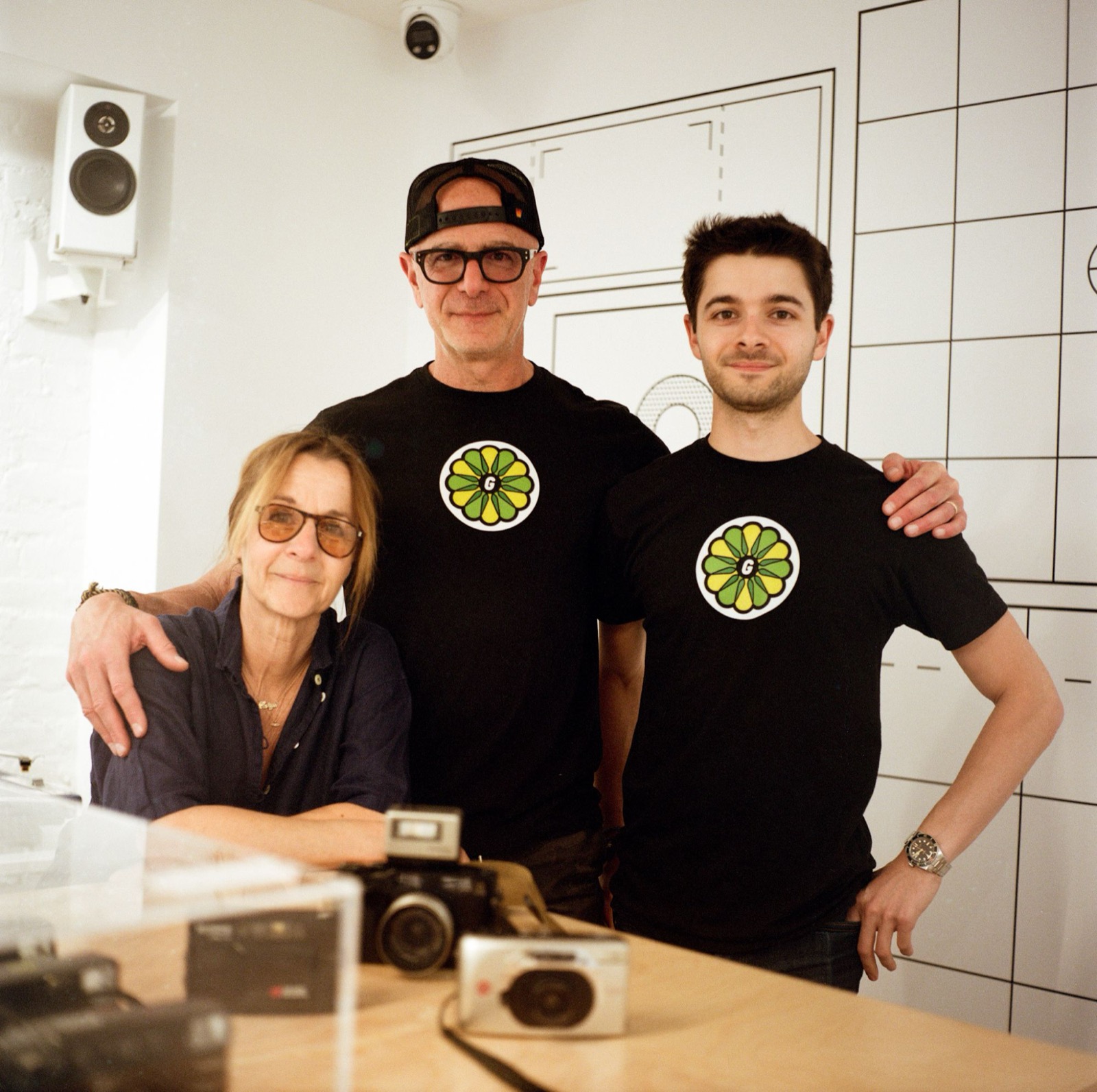
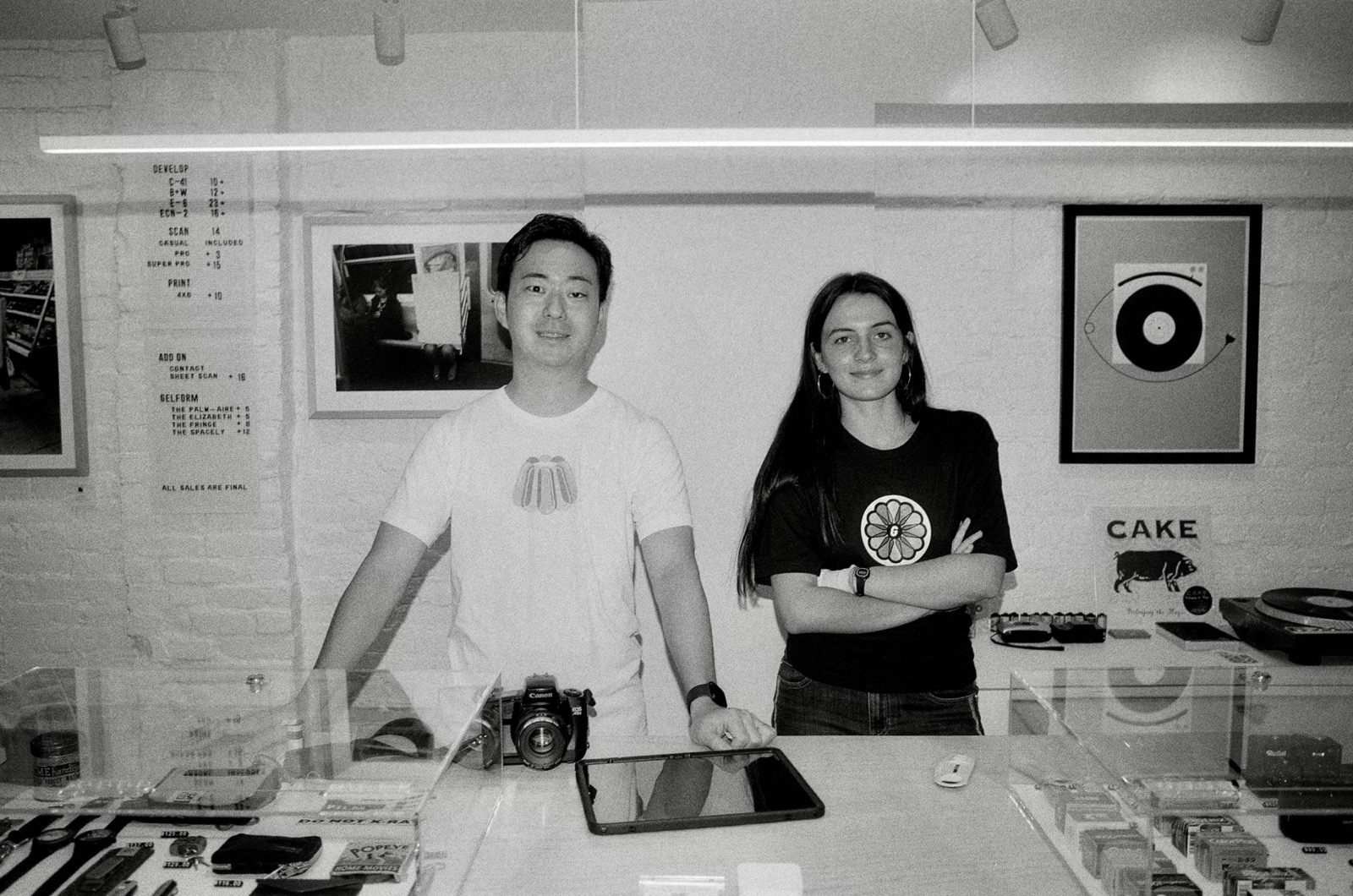
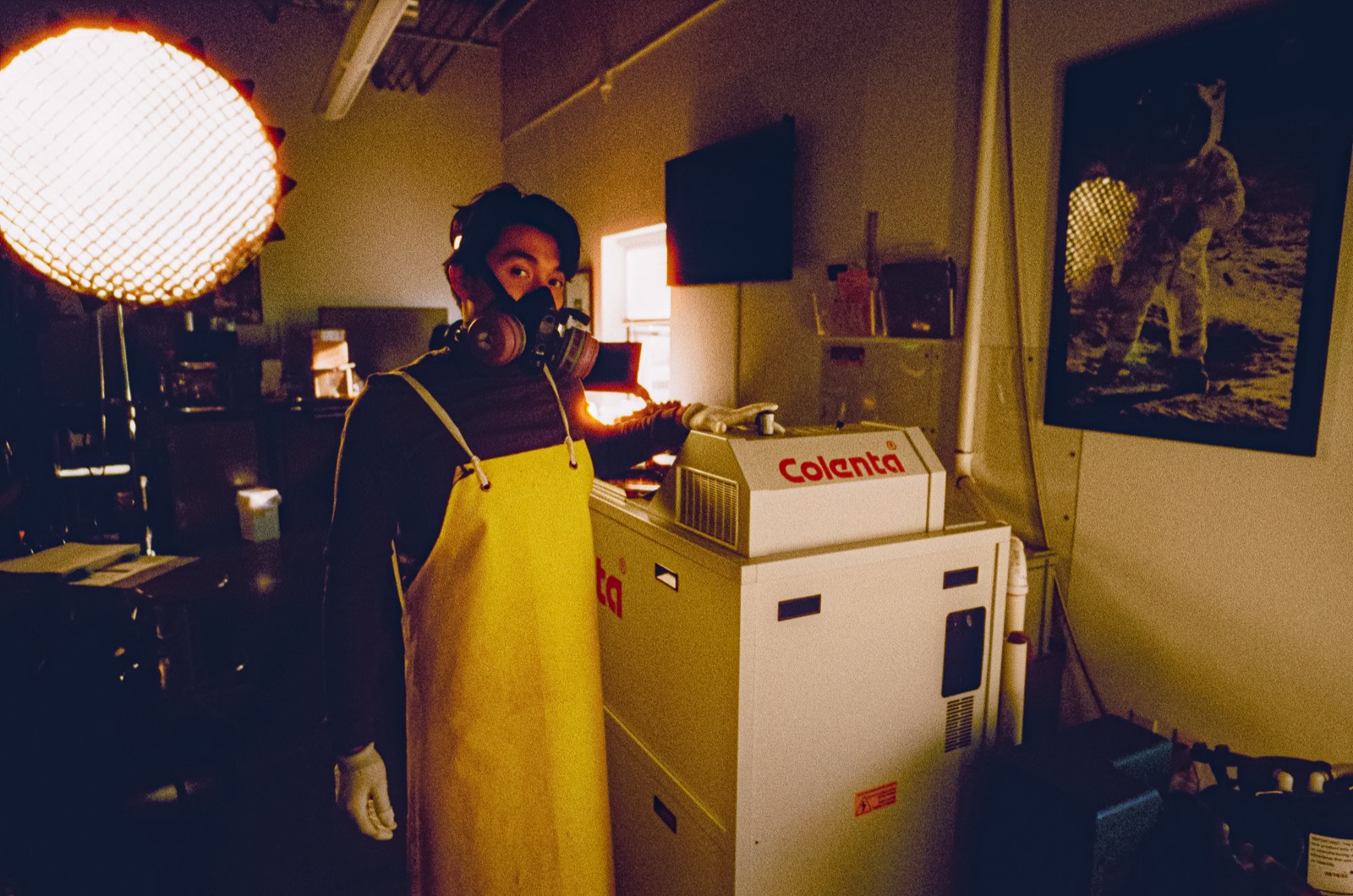
Gelatin Labs is a family-owned film lab in Maplewood, NJ and the East Village, NYC. We develop, scan, and print real film by hand. We sweat the scan quality, the GelForm looks, fast turnaround, and being a team you can actually reach. Content Credentials are one more way we take care of your work.
16-bit color on pro Noritsu and Fujifilm Frontier scanners. We obsess over every tone so your work looks its absolute best.
11 scan styles, from The Standard to The Spacely. Pick the look you want. We handle the rest.
Fast Pass and standard turnaround. We get your images back quickly, without ever cutting corners.
Every roll runs past our team, and we're easy to reach. Email us and a real person writes back.
We've modernized getting your film back. Download your scans, track your roll through the lab, read notes from our team, and revisit the options you picked, all in one place. No digging through email, no expiring links.
Full-resolution files, ready whenever you want. Re-download for a minimum of 30 days.
Watch it move through the lab in real time: received, developing, scanning, ready.
See notes from our team and the exact options you chose, GelForm style and all, on every order.
 ✓
✓ ✓
✓ ✓
✓ ✓
✓ ✓
✓ ✓
✓ ✓
✓Real film, scanned by Gelatin, developed with care, signed for authenticity, organized down to the frame, and kept safe in your account. It's how we're securing the old for what's new.
Every roll. Every scan. Sealed.